Move the needle: meaning in work discussions
To move the needle is to have a visible effect on an important result and produce real progress. The phrase often appears in work discussions. It is not only “we did a lot of work”; it asks whether anything has actually changed.
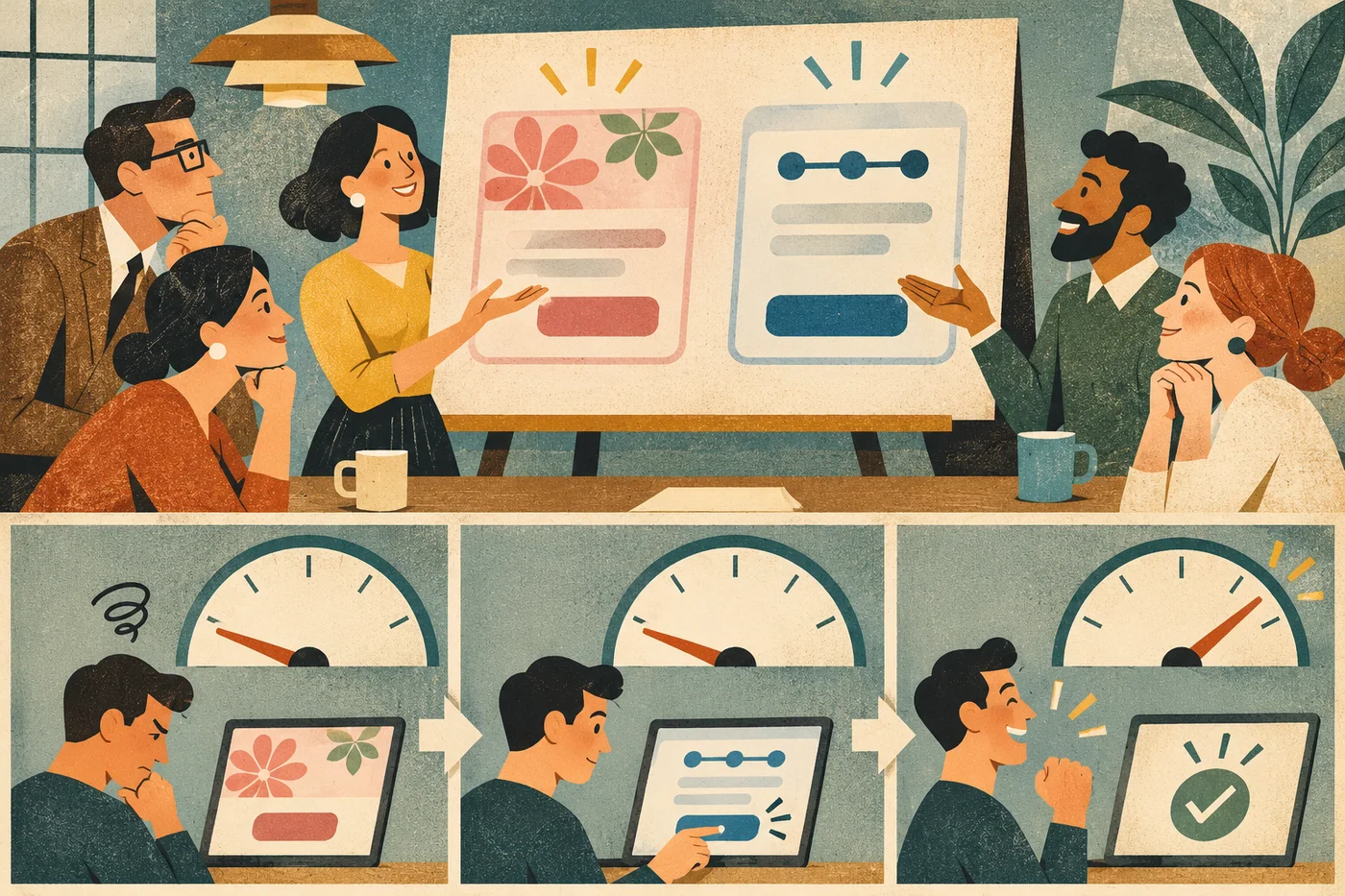
A situation that makes the meaning clearer
A team spends time adjusting a button color and is not sure whether users can complete the task any more easily. Someone who asks whether it will move the needle is asking about the real result, not dismissing every small detail.
Examples in context
The dialogues and examples below were written for teaching.
Will this change move the needle on customer satisfaction?
Will this change actually improve customer satisfaction in a noticeable way?
The new training helped, but it didn't move the needle much.
The new training helped, but it did not change things very much.
Form and tone to remember
You can say move the needle on plus the area you want to improve. Words such as much or really can mark the size of the effect, but they are not a fixed numerical promise.
The tone is informal workplace English. Be specific about what you want to improve. Without some way of judging the change, do not treat the idiom as proof that the impact was large.
How can you reply?
Let's agree on the outcome we want to improve before we choose a change.
Let’s agree on the result we want to improve before we choose a change.
Bring the discussion back from how busy people have been to the result you actually want.
Close expressions with different jobs
Make progress can describe any kind of forward movement. Move the needle stresses a noticeable effect on a result that matters.
Save useful expressions while you read
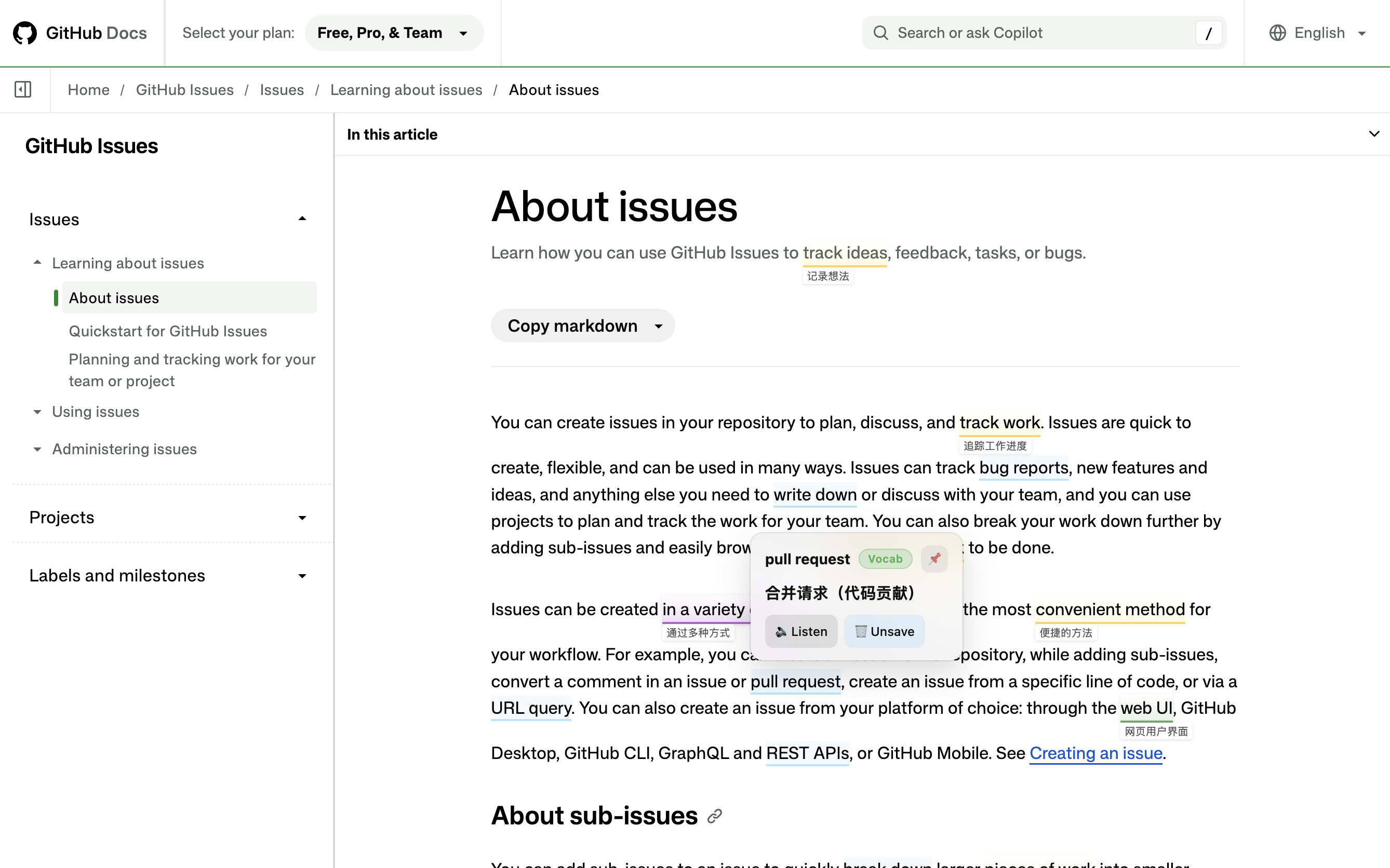
After looking up move the needle, you may run into another familiar-looking phrase on the next page. LeMingle finds and highlights expressions worth learning as you read, and helps you check the meaning in context. You can save useful ones; when they appear again on another page, they are flagged. Notice who is speaking and in what situation, so you keep more than a translation.
See a real screenshot of saving expressions