Follow up: meaning in email and work
To follow up is to continue after an earlier contact or action: asking about a result, adding material, or checking progress. The phrase itself is not a complaint or a demand. How it sounds depends on what you ask for, and how you handle timing.

A situation that makes the meaning clearer
You sent a proposal on Monday, and a few days later there is still no reply. Rather than writing only “Did you see this?,” name the proposal you are following up on and say what you need confirmed.
Examples in context
The dialogues and examples below were written for teaching.
I'm following up on the proposal I sent on Monday.
I’m writing again about the proposal I sent on Monday.
Could you follow up with the supplier about the delivery date?
Could you check with the supplier about the delivery date?
Form and tone to remember
Follow up on usually takes the matter; follow up with usually takes the person. The verb is normally written as two words. In a follow-up email, follow-up is a modifier and takes a hyphen.
The tone can stay polite and professional. A vague reminder sent again and again can feel like pressure. Give the earlier context, ask a specific question, and, when it helps, name a deadline.
How can you reply?
Thanks for checking. I'll review it and reply by Thursday.
Thanks for following up. I’ll look at it and reply by Thursday.
If you still need time, give a reply date you can actually keep.
Close expressions with different jobs
Circle back stresses returning to a previous topic. Follow up stresses continuing from an earlier contact. They can overlap, but they are not a strict pair of opposites.
Save useful expressions while you read
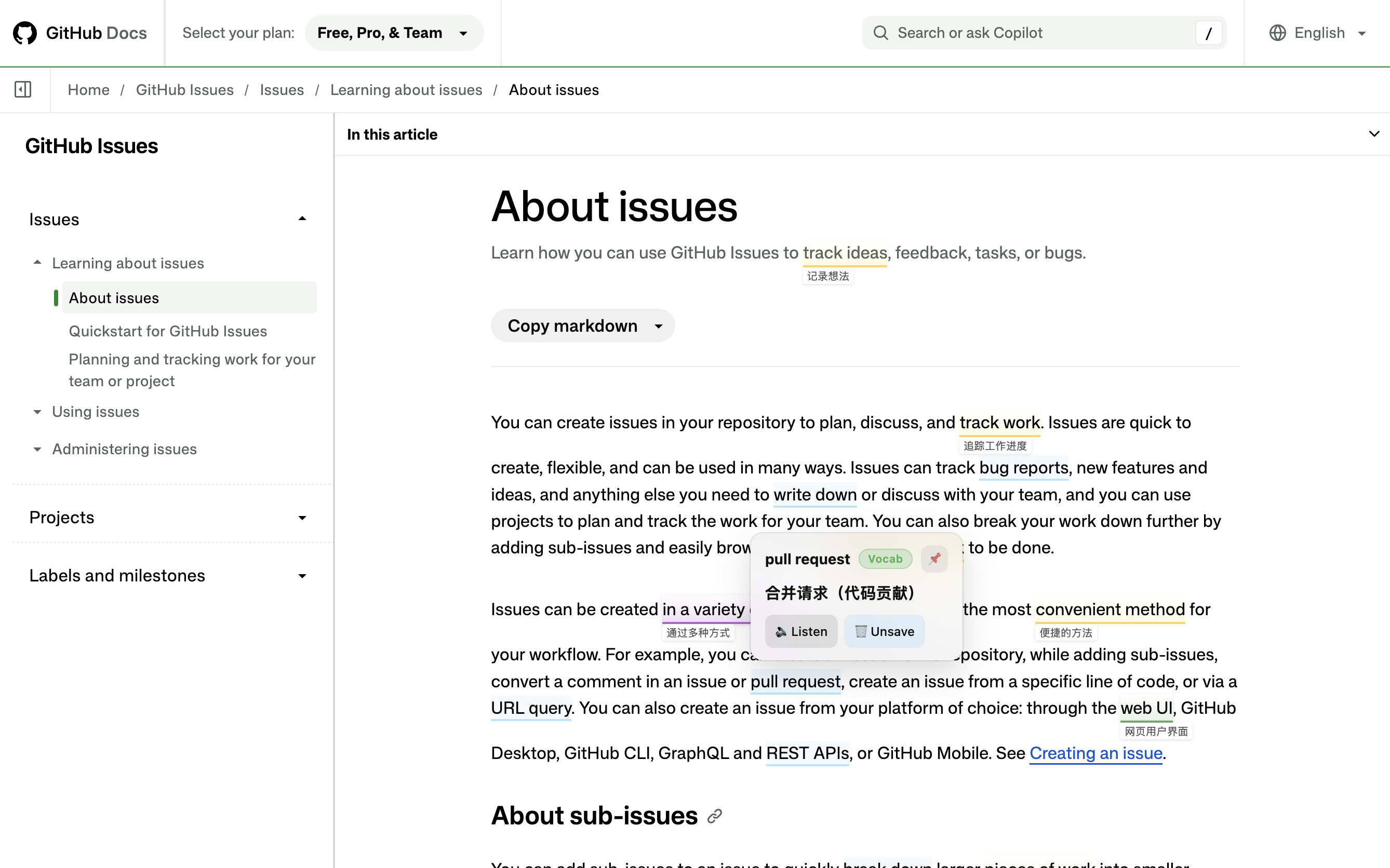
After looking up follow up, you may run into another familiar-looking phrase on the next page. LeMingle finds and highlights expressions worth learning as you read, and helps you check the meaning in context. You can save useful ones; when they appear again on another page, they are flagged. Notice who is speaking and in what situation, so you keep more than a translation.
See a real screenshot of saving expressions