Take it offline: meaning in meetings
In a meeting, take it offline often means moving a topic out of the current session so that the relevant people can discuss it separately. The later conversation can still be a video call. It does not have to mean disconnecting from the internet or meeting in person.

A situation that makes the meaning clearer
A whole-group meeting starts to go into details that only finance and the project lead need to settle. A host can suggest another time for that thread so everyone else can stay with the agenda, while still keeping a follow-up.
Examples in context
The dialogues and examples below were written for teaching.
Let's take the budget details offline after this call.
Let’s discuss the budget details separately after this call.
Could we take this offline and send the group a summary?
Could we discuss this outside this meeting, then send the group a summary?
Form and tone to remember
It can be replaced with this or the budget details, so the topic being moved is clear. After this call only sets the time; it does not change the meeting sense of offline.
The tone is workplace meeting English. Cutting someone off abruptly can sound like you are dismissing them. First acknowledge the issue, then say who will handle it and when. Decisions that affect the whole group should still be reported back.
How can you reply?
Sure. Let's talk afterward and share the decision with the team.
Sure. Let’s talk after the meeting and share the decision with the team.
Confirm how you will follow up and report back, so the question does not disappear.
Close expressions with different jobs
Circle back means returning to a topic later. Take it offline stresses moving it out of the current meeting. Offline also has a literal disconnected sense, so the context matters.
Save useful expressions while you read
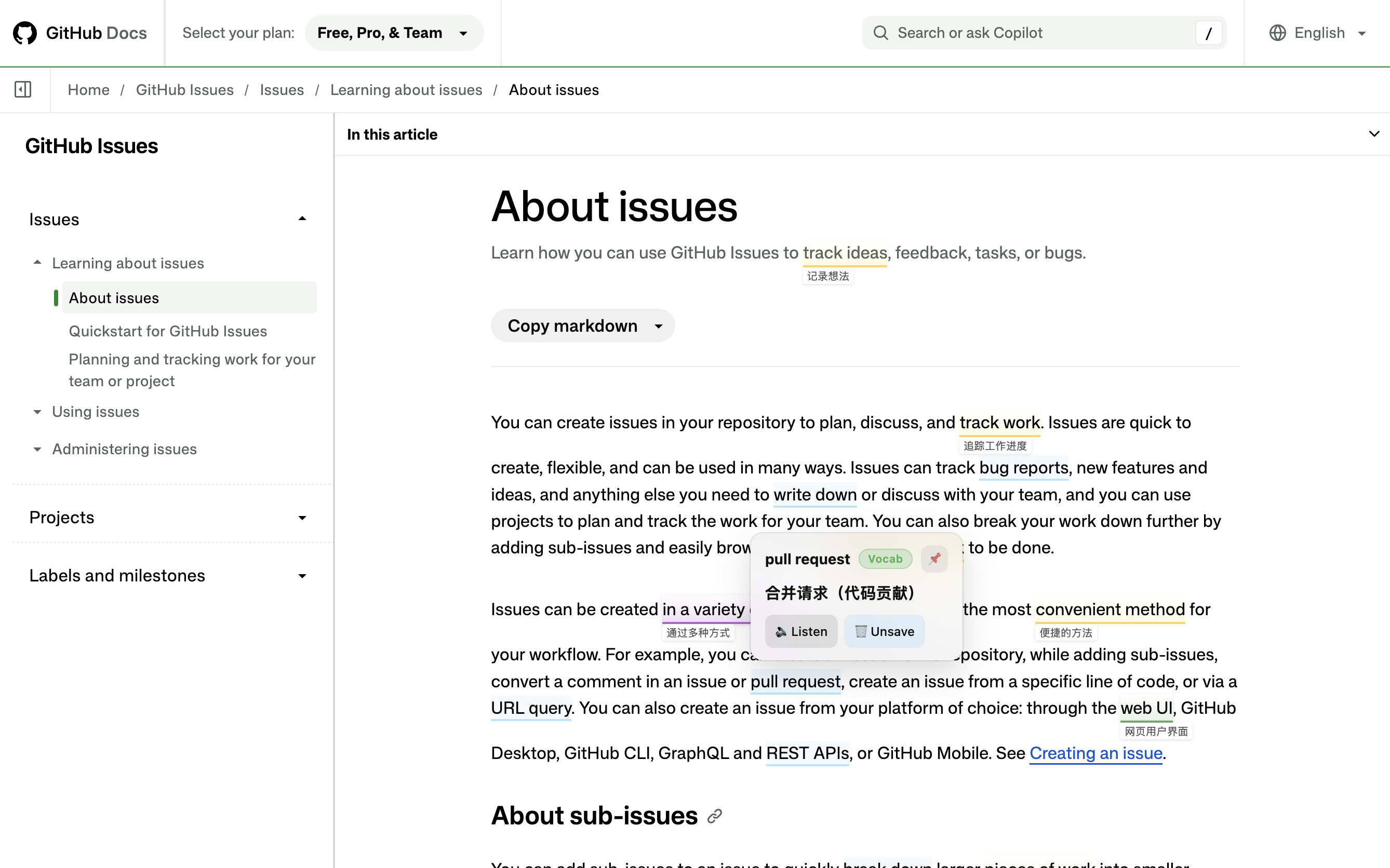
After looking up take it offline, you may run into another familiar-looking phrase on the next page. LeMingle finds and highlights expressions worth learning as you read, and helps you check the meaning in context. You can save useful ones; when they appear again on another page, they are flagged. Notice who is speaking and in what situation, so you keep more than a translation.
See a real screenshot of saving expressions