A blessing in disguise: when a setback later helps
A blessing in disguise is a situation that looks unwelcome at first, then later brings a genuine benefit — a bit like finding an unexpected gain after a setback. People usually say it in retrospect, once the later advantage is visible. It does not promise that every disappointment will have a happy ending.

A situation that makes the meaning clearer
You miss the workshop you wanted, then join a smaller class and meet a tutor who suits you better. Once that later benefit is clear, you can look back and call the missed place a blessing in disguise. The phrase fits after the turn for the better, not at the moment of disappointment.
Examples in context
The dialogues and examples below were written for teaching.
Missing that workshop turned out to be a blessing in disguise.
Skipping that workshop later proved to be a good thing.
The delay was a blessing in disguise because it gave us time to fix the problem.
The delay actually helped, because it gave us time to fix the problem.
Form and tone to remember
A common pattern is turn out to be a blessing in disguise, which underlines that the benefit was recognized later. Keep the article: a blessing, not blessing in disguise.
The tone is reflective, not cheerfully dismissive. It is usually informal to neutral, and it works in conversation or a casual work recap once the outcome is known.
How can you reply?
I'm glad something good came from it. What changed?
I'm pleased it led to something good — what was it that changed?
Let the other person describe the outcome. Do not force a positive reading onto their experience.
Close expressions with different jobs
Out of the blue only stresses that something was unexpected. A blessing in disguise needs a turn: something that first looked unhelpful later proved useful.
Save useful expressions while you read
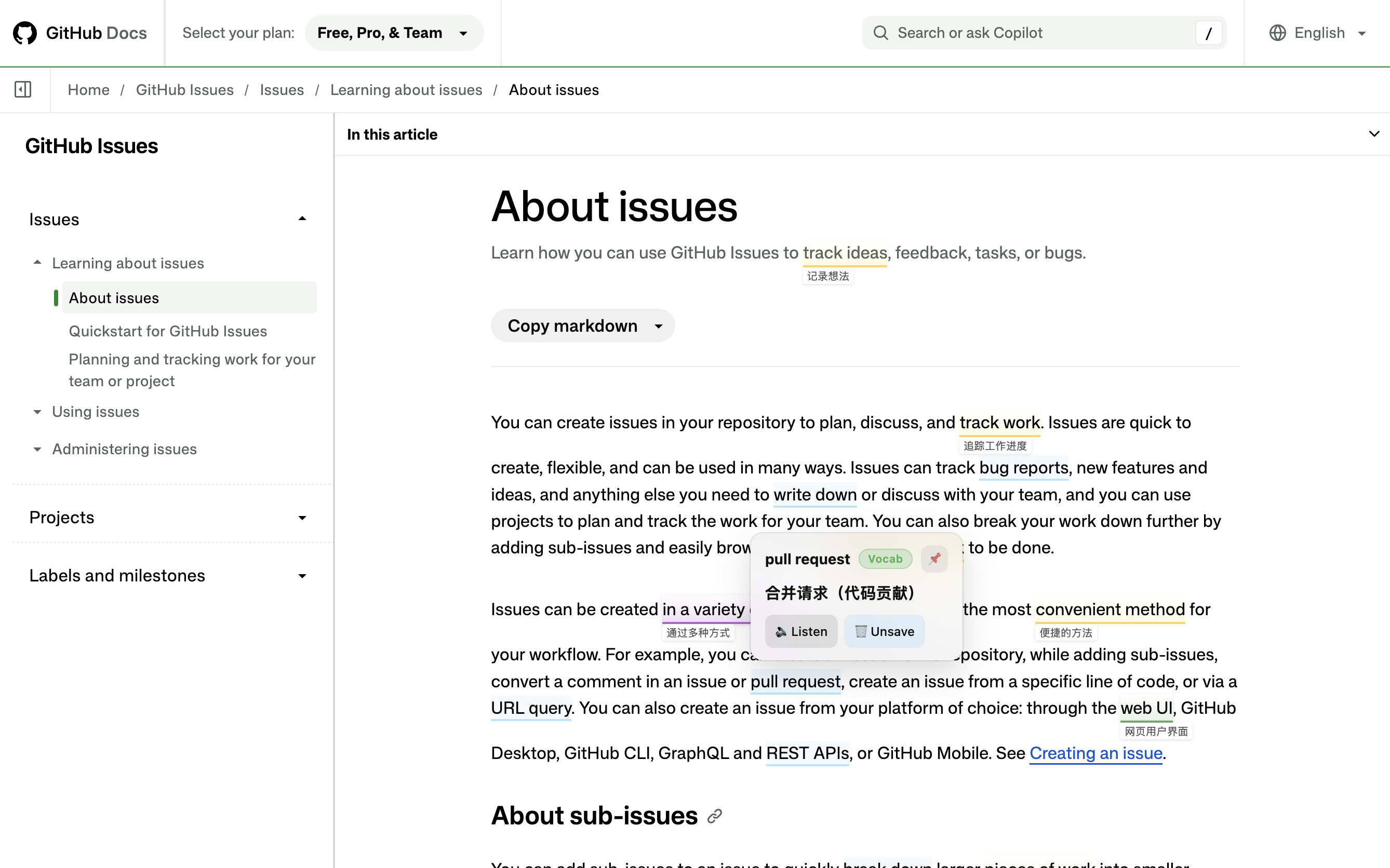
After looking up a blessing in disguise, you may run into another familiar-looking phrase on the next page. LeMingle finds and highlights expressions worth learning as you read, and helps you check the meaning in context. You can save useful ones; when they appear again on another page, they are flagged. Notice who is speaking and in what situation, so you keep more than a translation.
See a real screenshot of saving expressions