Back to square one: starting over after a setback
Back to square one means the earlier attempt did not work, so you have to start again — as if you have returned to the first square of a board game. It often carries disappointment or resignation. It does not mean that everything learned along the way is now useless.
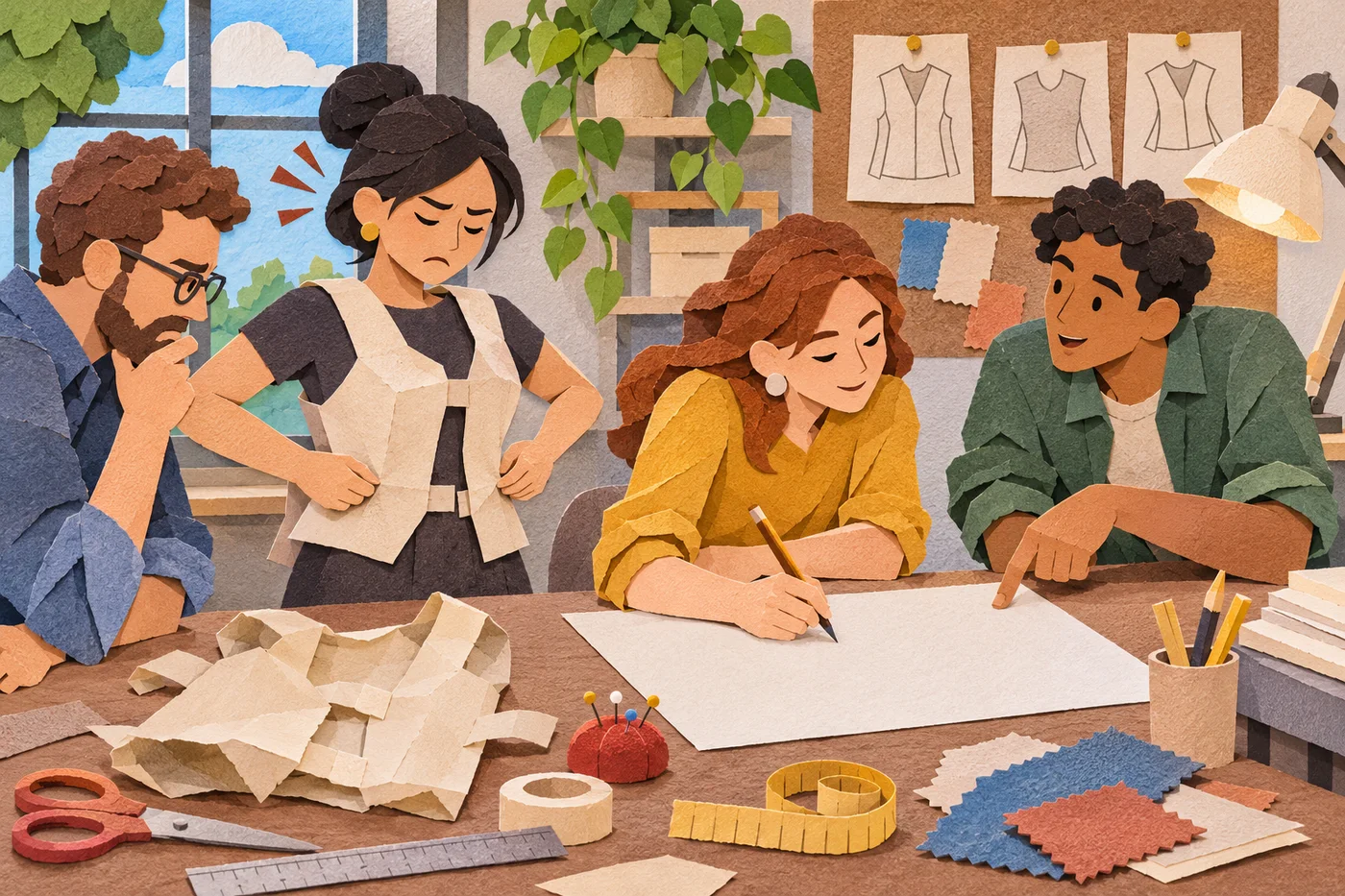
A situation that makes the meaning clearer
A prototype fails a key test, and the planned approach will not work. The team may say they are back to square one. If you are only adjusting a small detail, the phrase usually sounds too dramatic.
Examples in context
The dialogues and examples below were written for teaching.
The prototype failed, so we're back to square one.
The prototype failed, so we have to start the plan again.
If the venue cancels, we'll be back to square one with the event plan.
If the venue cancels, the event plan will have to be rebuilt from the start.
Form and tone to remember
Common forms are be back to square one and go back to square one, which stresses the return itself. Square here is the board-game metaphor, not a city square.
The tone is informal to conversational, and it often marks a genuine reset rather than a tweak. Naming what still stands helps the team keep useful work.
How can you reply?
Then let's keep what we learned and rethink the first step.
In that case, let’s hold on to what we learned and rethink the first step.
Acknowledge the setback, and point to what can still be kept.
Close expressions with different jobs
Start from scratch can describe a first attempt that begins from nothing. Back to square one implies there had already been progress, and you have had to go back.
Save useful expressions while you read
After looking up back to square one, you may run into another familiar-looking phrase on the next page. LeMingle finds and highlights expressions worth learning as you read, and helps you check the meaning in context. You can save useful ones; when they appear again on another page, they are flagged. Notice who is speaking and in what situation, so you keep more than a translation.
See a real screenshot of saving expressions