Call it a day: meaning and when to stop work
To call it a day is to decide to stop the work or activity you are doing now. A natural sense is “that’s enough for today.” It does not always mean the task is finished; people also say it when enough has been done or a break is needed. It is not a resignation.

A situation that makes the meaning clearer
The group has covered the main points, and the rest can wait until tomorrow. You close the laptop and suggest stopping. You are not announcing a resignation.
Examples in context
The dialogues and examples below were written for teaching.
We've checked the main points. Let's call it a day.
We have checked the main points. Let’s stop here for today.
I called it a day after finishing the first draft.
I stopped work for the day after finishing the first draft.
Form and tone to remember
Keep it and a: call it a day. The past form is called it a day. You cannot swap in “call today.”
In some contexts it can also mean ending a longer stretch of activity, not only a single afternoon. Check the context; it is not always “clocking out,” and it does not mean all of the work is done. It is a decision to stop for now, not a claim that everything is complete, and not a resignation.
How can you reply?
Sounds good. Let's pick this up tomorrow morning.
You agree, and you suggest picking the work up again tomorrow morning.
If the work is unfinished, agree when you will continue.
Close expressions with different jobs
Call it a night is more often used when you stop an activity in the evening. Call it a day does not have to be daytime, and it is common for wrapping up work.
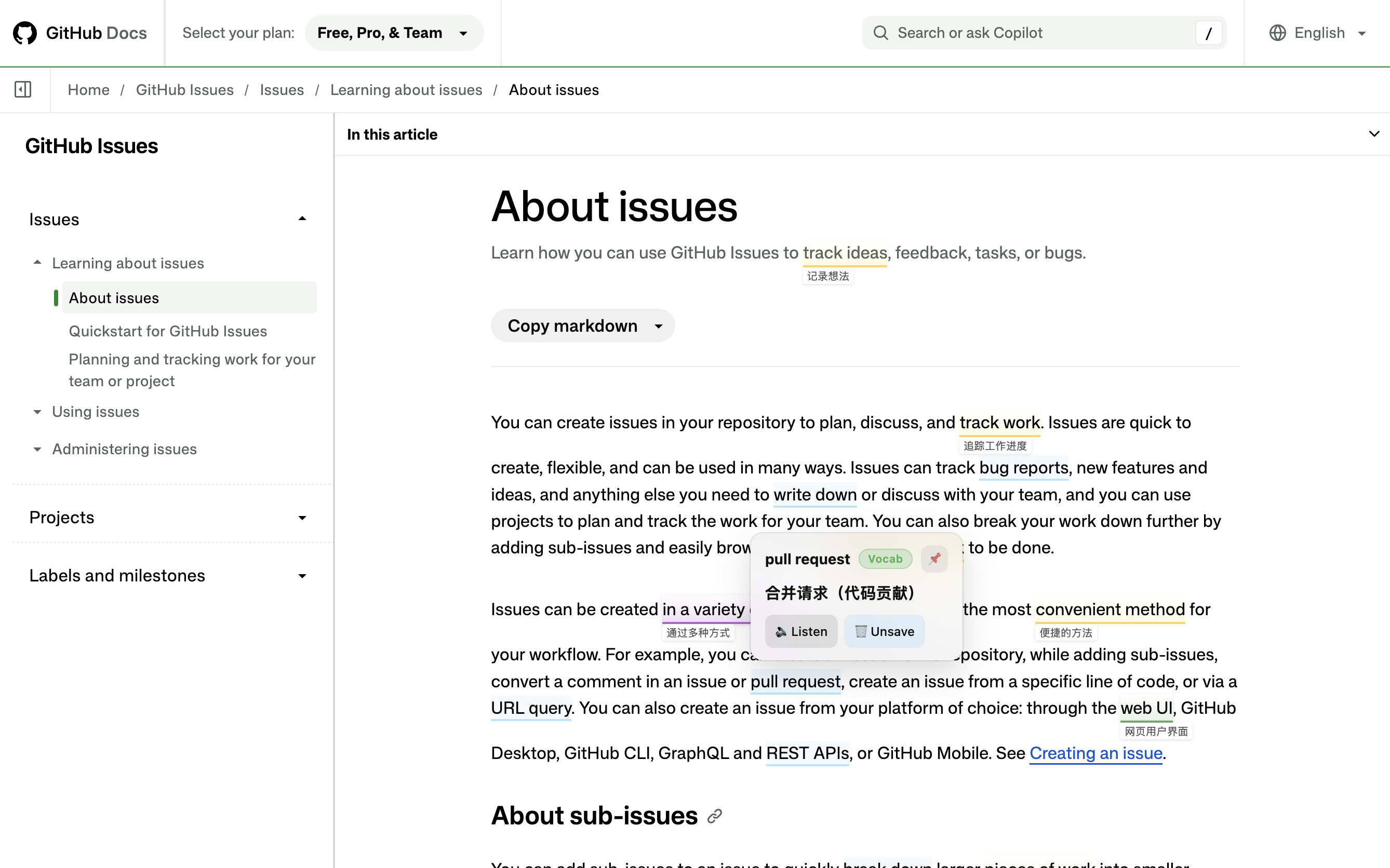
Save useful expressions while you read
After looking up call it a day, you may run into another familiar-looking phrase on the next page. LeMingle finds and highlights expressions worth learning as you read, and helps you check the meaning in context. You can save useful ones; when they appear again on another page, they are flagged. Notice who is speaking and in what situation, so you keep more than a translation.
See a real screenshot of saving expressions