Learn the ropes: meaning in a new job or activity
To learn the ropes is to become familiar, gradually, with how a job or activity actually works — the practical steps and unwritten know-how. The focus is on getting up and running in the real process, not on memorizing theory, and not on learning to tie knots.

A situation that makes the meaning clearer
You have just joined a lab. You understand the research topic, but you do not yet know how to book equipment or submit records. Those practical steps are the “ropes” you still need time to learn.
Examples in context
The dialogues and examples below were written for teaching.
It takes time to learn the ropes in a new lab.
It takes time to learn how things work in a new lab.
My colleague helped me learn the ropes during my first week.
In my first week, a colleague helped me learn how the work is done.
Form and tone to remember
Learn the ropes is the process; know the ropes means you already do. Show someone the ropes is helping a new person get started.
The tone is informal to workplace-casual. The phrase does not mean you have learned every professional skill, and it does not promise that a fixed number of days will be enough. You can start by asking about the process in front of you.
How can you reply?
Thanks. Could you show me how the booking system works?
Thanks. Could you show me how the booking system works?
Turn a general request to be shown around into one practical question.
Close expressions with different jobs
Get the hang of stresses finding the knack of a particular operation. Learn the ropes more often covers the whole way a role or activity is done.
Save useful expressions while you read
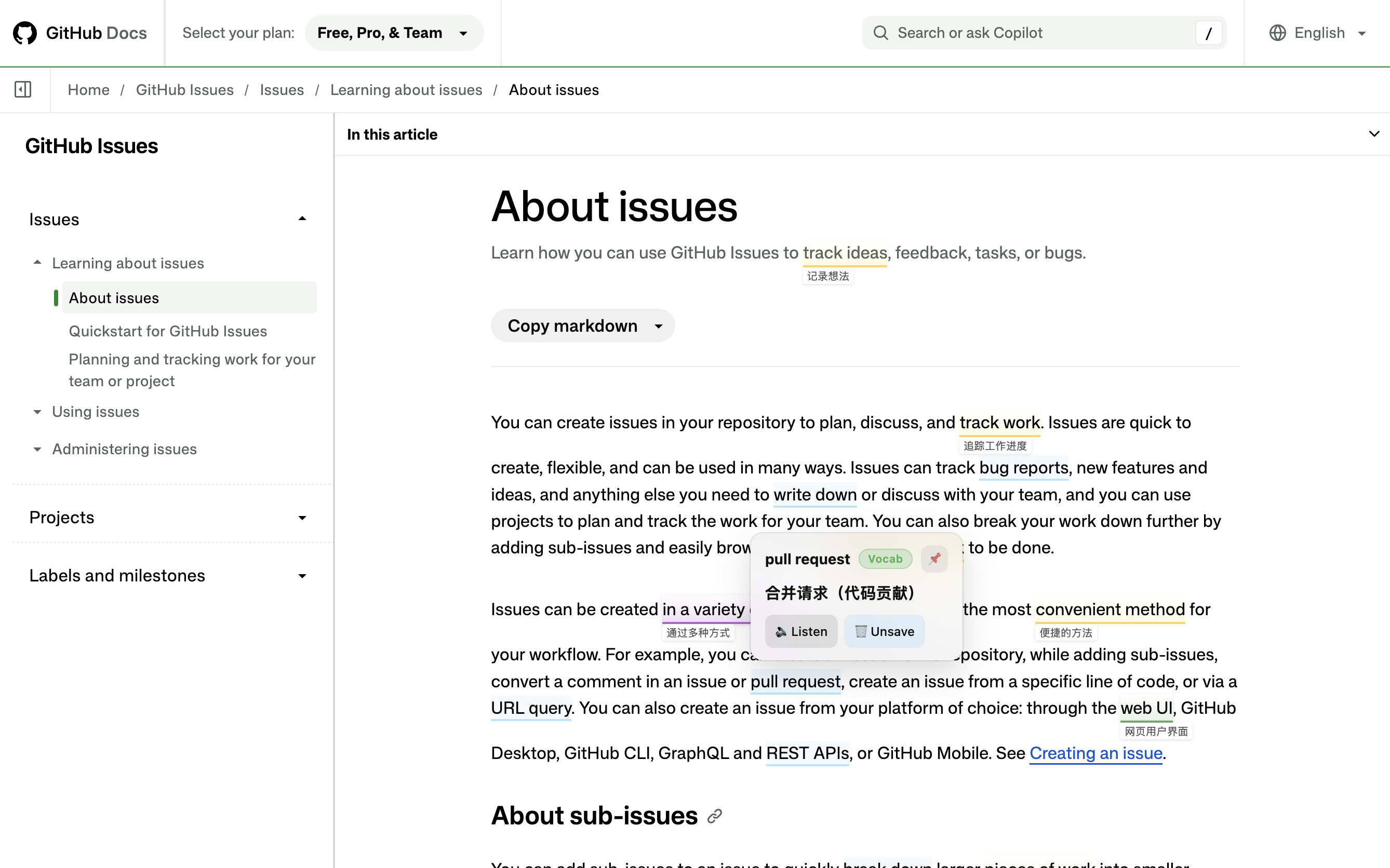
After looking up learn the ropes, you may run into another familiar-looking phrase on the next page. LeMingle finds and highlights expressions worth learning as you read, and helps you check the meaning in context. You can save useful ones; when they appear again on another page, they are flagged. Notice who is speaking and in what situation, so you keep more than a translation.
See a real screenshot of saving expressions