Get up to speed: meaning and examples
In work conversations, get up to speed often means quickly getting the information you need so you can follow the current situation. It is not simply a request to speak faster. In a technical or equipment context, the same words can also mean literally reaching the right speed.
A situation that makes the meaning clearer
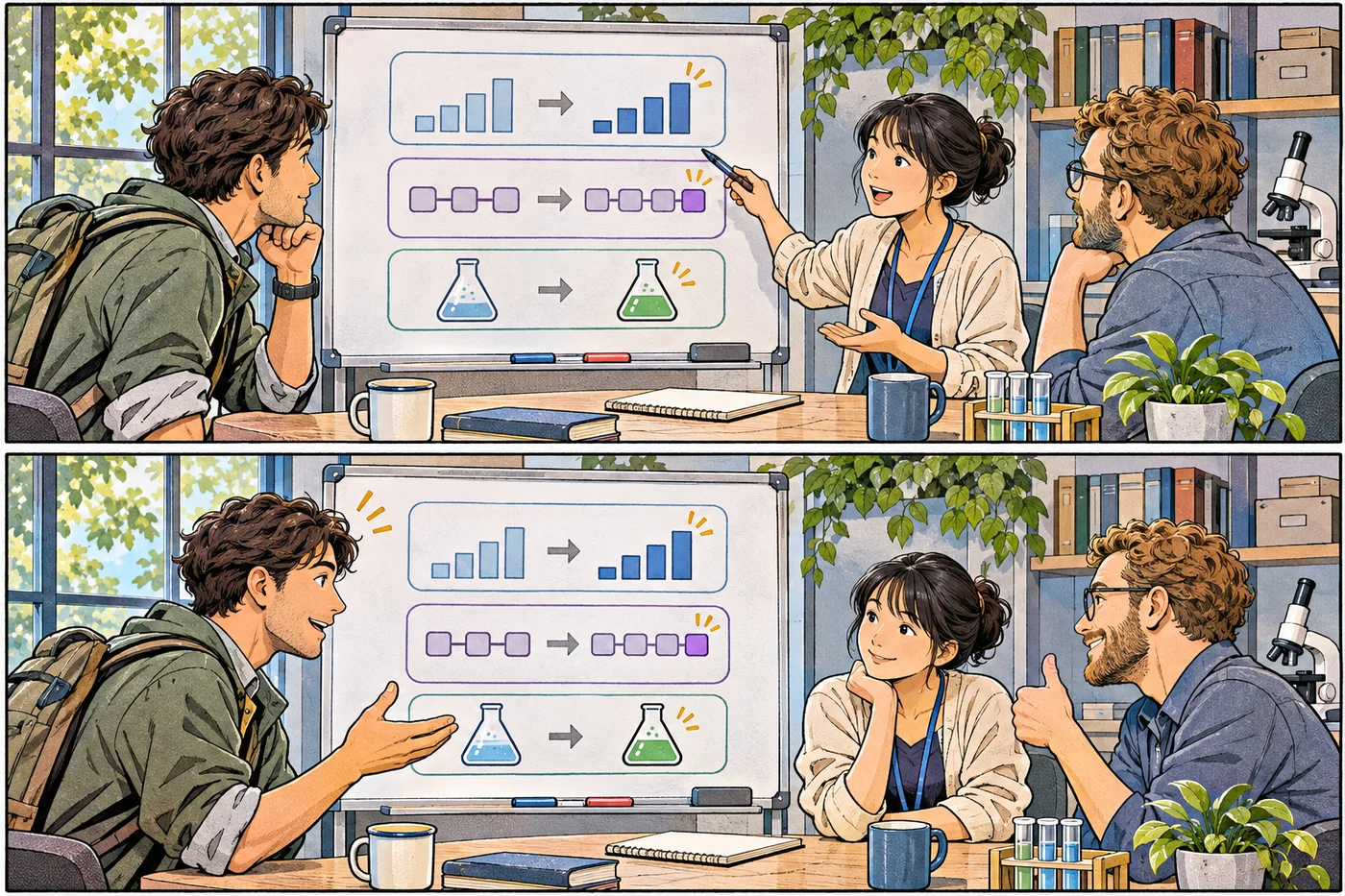
You come back from leave and find that the project already has a few new decisions. Reading a short summary and asking what has changed is how you get up to speed, so you can rejoin the discussion.
Examples in context
The dialogues and examples below were written for teaching.
I need to get up to speed on the latest changes.
I need to get current on the latest changes.
Could you bring me up to speed before the meeting?
Before the meeting, could you fill me in on where things stand?
Form and tone to remember
Get up to speed is what you do yourself; bring someone up to speed is helping another person catch up. On or with often names the topic.
The tone is practical workplace or study English. You do not have to ask for every detail. It is fair to start with the key changes, open questions, and what happens next.
How can you reply?
Of course. Here are the key changes since your last update.
Of course. These are the main changes since you last had an update.
Organize what you share around what has changed. That is more useful than restarting the whole story.
Close expressions with different jobs
Catch up has a wider range: it can be a social reunion or catching up on work. Get up to speed, here, is specifically about reaching the information level the situation requires.
Save useful expressions while you read
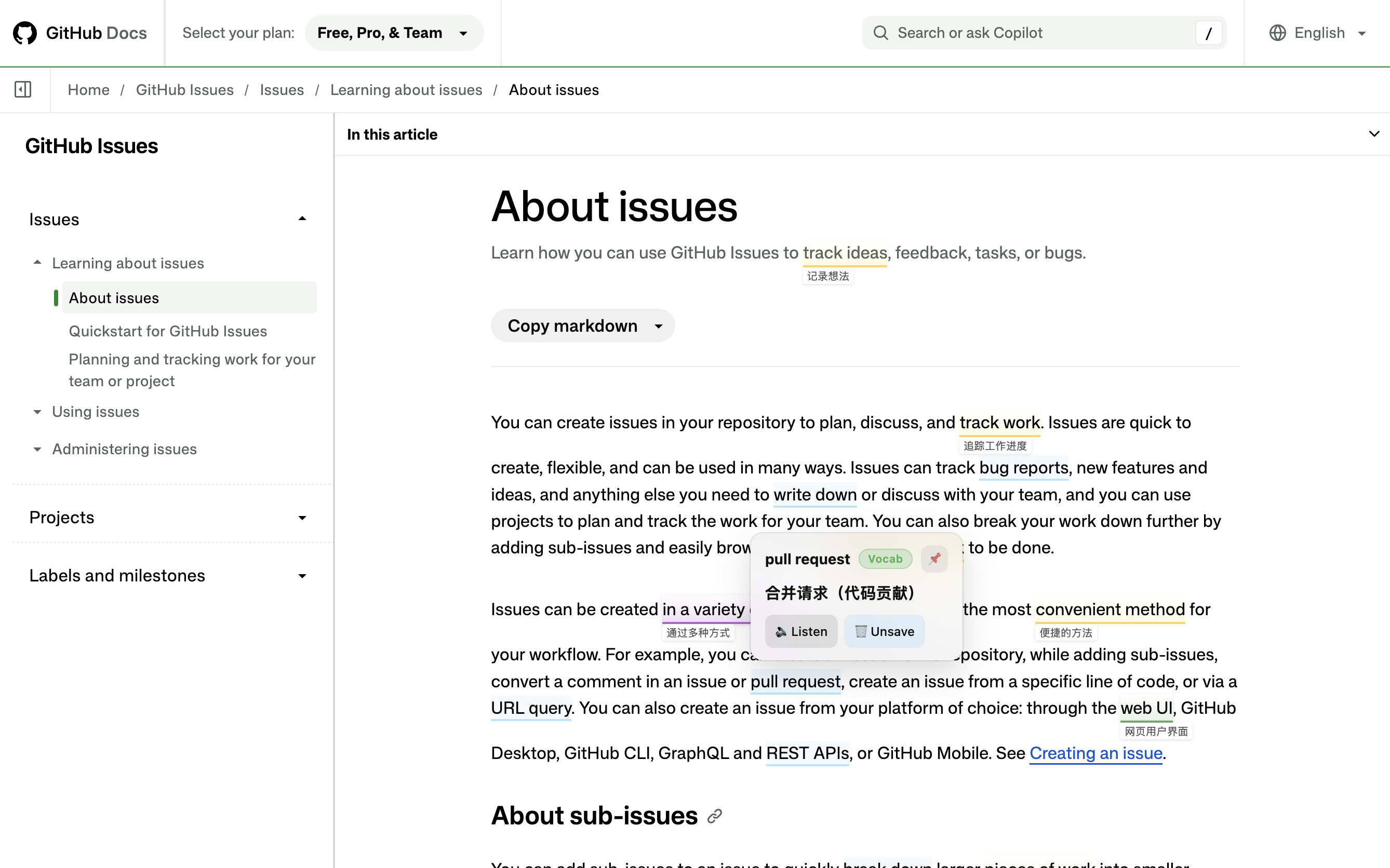
After looking up get up to speed, you may run into another familiar-looking phrase on the next page. LeMingle finds and highlights expressions worth learning as you read, and helps you check the meaning in context. You can save useful ones; when they appear again on another page, they are flagged. Notice who is speaking and in what situation, so you keep more than a translation.
See a real screenshot of saving expressions