Loop someone in: meaning in workplace English
To loop someone in is to bring them into the relevant conversation so they know what is going on. It is not only adding them to a group chat. It can also mean giving them the background, including them in an email thread, or involving the right people in a later decision.

A situation that makes the meaning clearer
A project discussion reaches a technical question, and you want an engineering colleague involved. When you add her to the email, also give a short account of what has already been decided. Otherwise she is in the thread without the earlier context.
Examples in context
The dialogues and examples below were written for teaching.
I'll loop Maya in on the discussion.
I’ll bring Maya into the discussion and get her up to date.
Could you loop me in before you contact the client?
Could you include me and fill me in before you contact the client?
Form and tone to remember
The person sits between loop and in: loop her in, loop me in. On can introduce the topic. The related phrase keep me in the loop is about staying informed over time.
The tone is informal workplace English. Looping someone in is not, by itself, assigning them work or granting approval. Do not forward material they are not allowed to see.
How can you reply?
Of course. I'll add you to the thread and send a short summary.
Of course. I’ll add you to the email thread and send a short summary.
Confirm how they will be included, and supply the background they will need.
Close expressions with different jobs
Keep you posted stresses that you will send further updates. Loop you in stresses bringing you inside the information or the discussion.
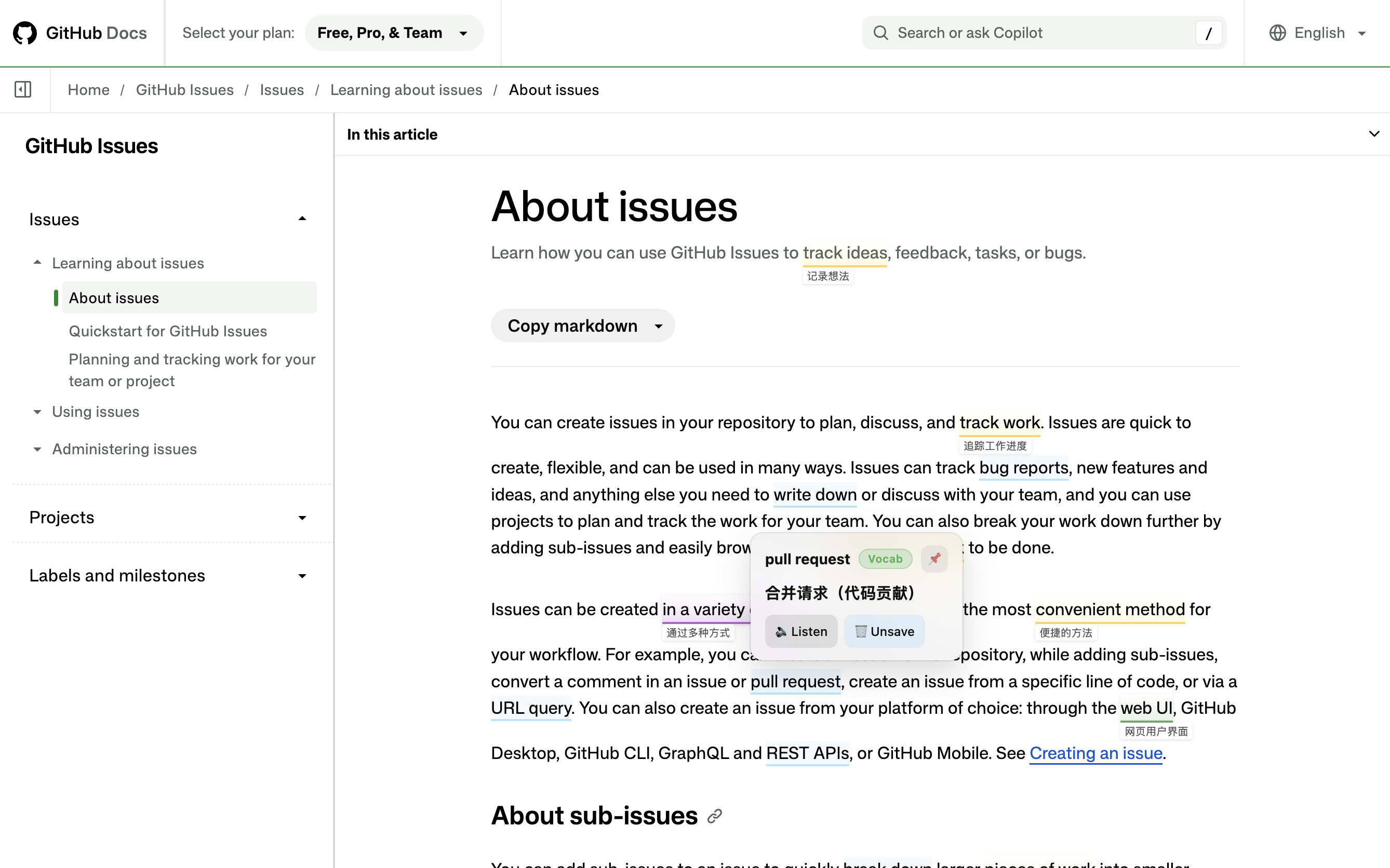
Save useful expressions while you read
After looking up loop someone in, you may run into another familiar-looking phrase on the next page. LeMingle finds and highlights expressions worth learning as you read, and helps you check the meaning in context. You can save useful ones; when they appear again on another page, they are flagged. Notice who is speaking and in what situation, so you keep more than a translation.
See a real screenshot of saving expressions