Miss the point: meaning, and how it differs from disagreeing
To miss the point is to fail to understand or notice the meaning that actually matters. That is not the same as disagreeing. You can understand someone fully and still reject their proposal.

A situation that makes the meaning clearer
A group is discussing whether a design is easy to use, and someone talks only about whether the color looks nice. When you bring the discussion back, it helps to name the real issue rather than only criticizing the other person.
Examples in context
The dialogues and examples below were written for teaching.
I think we're missing the point: the main issue is accessibility.
I think we’ve lost sight of the real issue: the main problem is accessibility.
You can disagree with the proposal without missing the point.
You can reject the proposal and still have understood what it is actually about.
Form and tone to remember
The usual form is miss the point. You may also hear That’s not the point. Point here is the core meaning, not a score.
You’re missing the point can sound like an accusation. I think we’re missing the point is softer, but you should still name the actual issue.
How can you reply?
I see. You're concerned about access, not just appearance.
I see. You’re concerned about whether people can use it, not only about how it looks.
Restate the point in your own words so the other person can confirm you have it right.
Close expressions with different jobs
Missing the point is a failure to grasp the core issue. Disagreeing is taking a different view after you have understood it. The two should not be mixed up.
Save useful expressions while you read
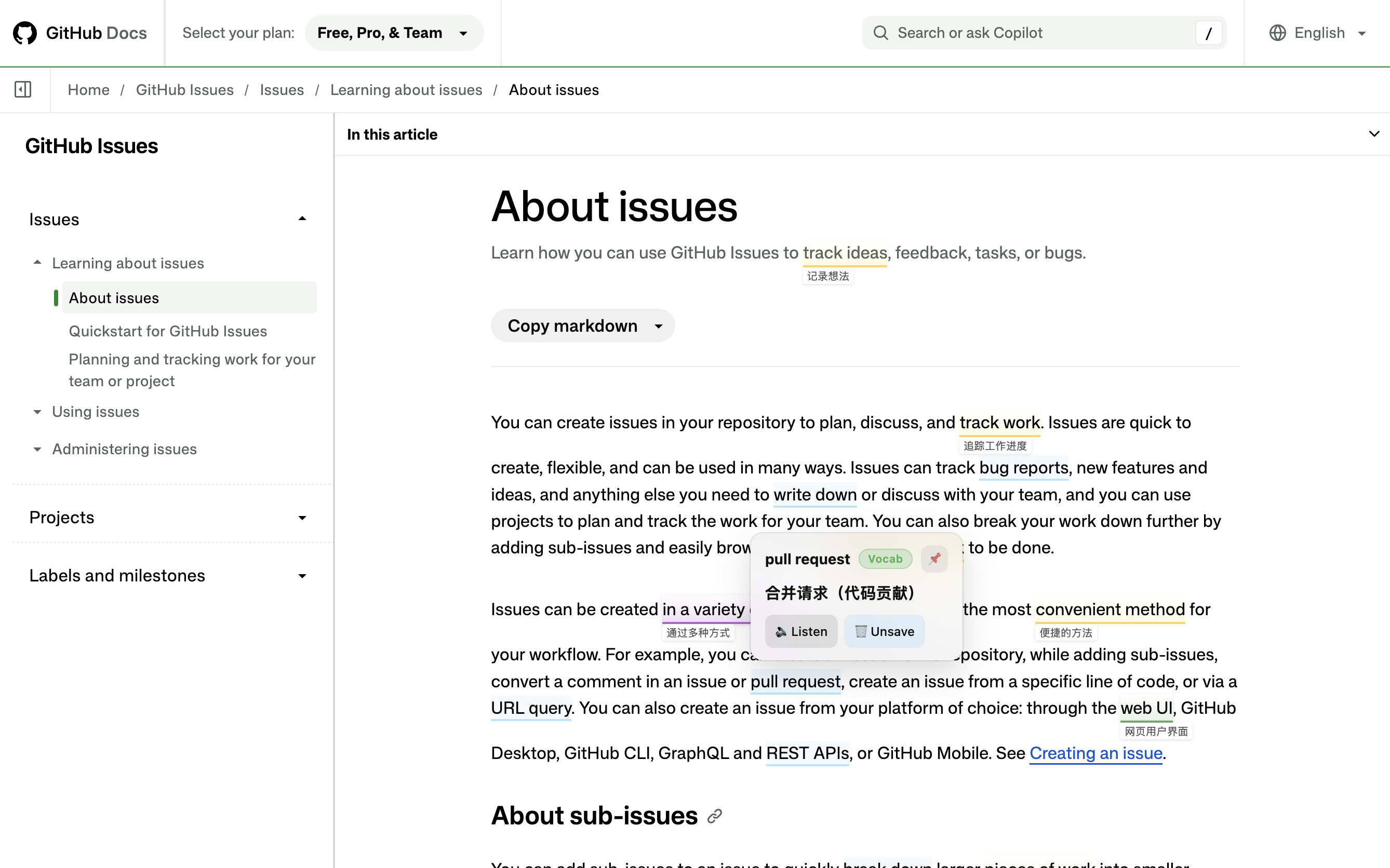
After looking up miss the point, you may run into another familiar-looking phrase on the next page. LeMingle finds and highlights expressions worth learning as you read, and helps you check the meaning in context. You can save useful ones; when they appear again on another page, they are flagged. Notice who is speaking and in what situation, so you keep more than a translation.
See a real screenshot of saving expressions