Cut to the chase: meaning and when it sounds rude
To cut to the chase is to skip the preamble and go straight to the main point. It is useful when you need to get to the point quickly. Said to someone else, it can sound impatient.

A situation that makes the meaning clearer
Meeting time is short, and you decide to start with the decision that has to be made today. Leading with “I’ll cut to the chase” is milder than suddenly telling other people to stop talking around the issue.
Examples in context
The dialogues and examples below were written for teaching.
I'll cut to the chase: we need a decision today.
I will go straight to the point: we need a decision today.
Can we cut to the chase and discuss the cost?
Can we skip the preamble and talk about the cost?
Form and tone to remember
You can say I’ll cut to the chase to discipline your own explanation, or Let’s cut to the chase to suggest that the group move to the point.
“Can you cut to the chase?” can sound like “stop rambling.” If you do not know the person well, “Could you summarize the main point?” is usually softer. The common misstep is using it as a command. The phrase is safest when you apply it to your own speaking. Tone matters more here than a simple gloss of “get to the point.”
How can you reply?
Of course. The main issue is whether the budget covers the work.
You agree and name the core issue: whether the budget covers the work.
Give the core issue. You do not need a long apology for having been brief, or a long defense of why a short answer is needed.
Close expressions with different jobs
Get down to business means starting to deal with the real work. Cut to the chase specifically means skipping setup and going to the point.
Save useful expressions while you read
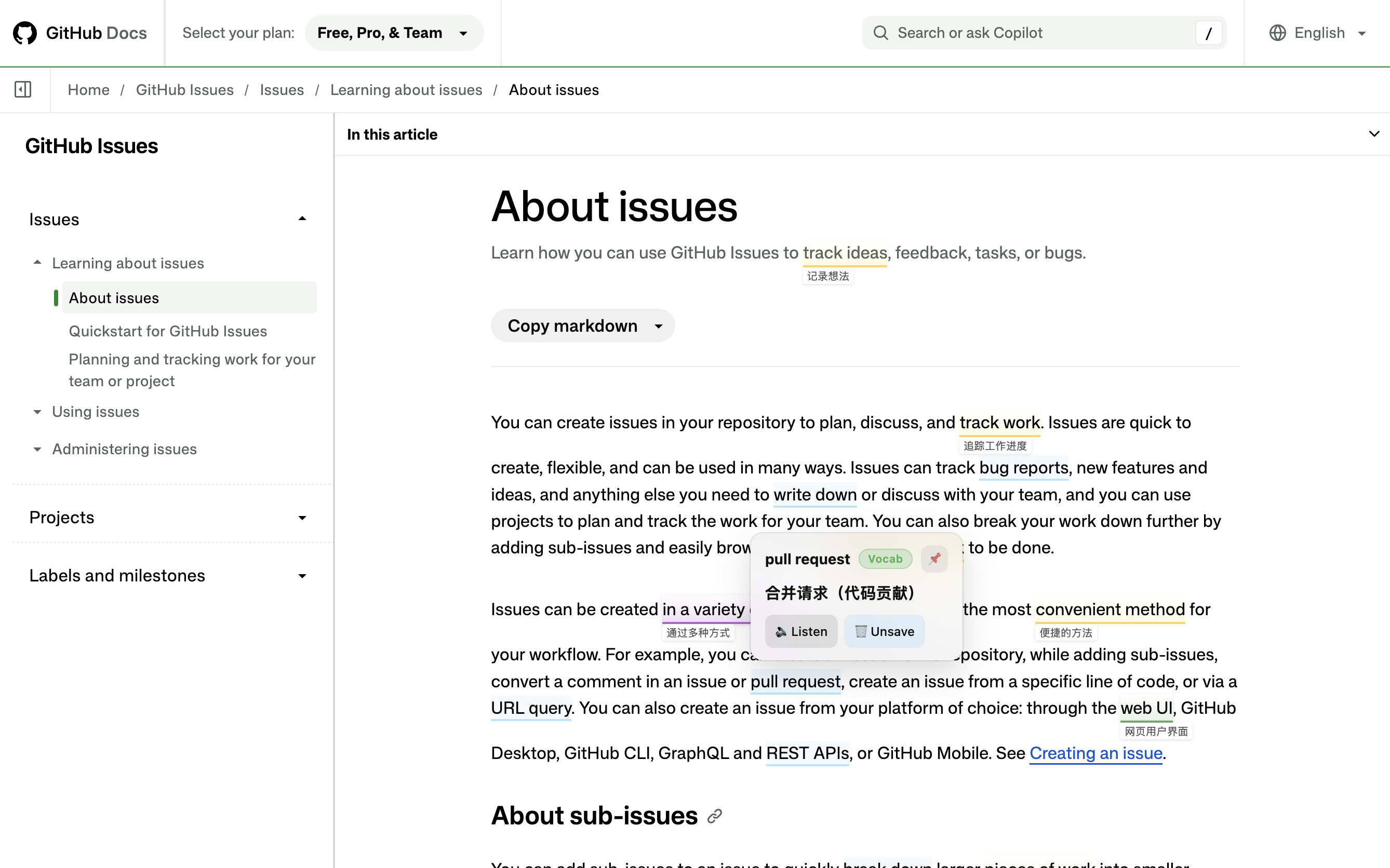
After looking up cut to the chase, you may run into another familiar-looking phrase on the next page. LeMingle finds and highlights expressions worth learning as you read, and helps you check the meaning in context. You can save useful ones; when they appear again on another page, they are flagged. Notice who is speaking and in what situation, so you keep more than a translation.
See a real screenshot of saving expressions