On the same wavelength: meaning and examples
To be on the same wavelength is to think in a similar way and understand each other easily — as if you are “on the same channel.” You can limit it to one matter. It does not require you to share every view.

A situation that makes the meaning clearer
You are designing something together, and both sketches already point in a similar direction. You understand what the other person wants without a long explanation. The phrase describes that ease of understanding.
Examples in context
The dialogues and examples below were written for teaching.
We're on the same wavelength about the design.
We think in a similar way about the design and understand each other easily.
It helps to work with someone who's on the same wavelength.
It helps to work with someone who thinks in a similar way.
Form and tone to remember
The usual pattern is be on the same wavelength; about can add a specific topic. Keep the same — “same wavelength” alone is incomplete.
The phrase describes understanding or a similar way of thinking. It does not prove that roles, timing, and delivery are already clear. Smooth collaboration still needs those details. It does not mean you agree on everything, and it is not a substitute for confirming the plan.
How can you reply?
Exactly. We both want something simple and welcoming.
You agree, and you name the shared aim: something simple and welcoming.
Add the point in common, so the phrase is not only a vague compliment.
Close expressions with different jobs
On the same page is a better fit when you are confirming a specific agreement. On the same wavelength has more to do with a similar way of thinking or communicating.
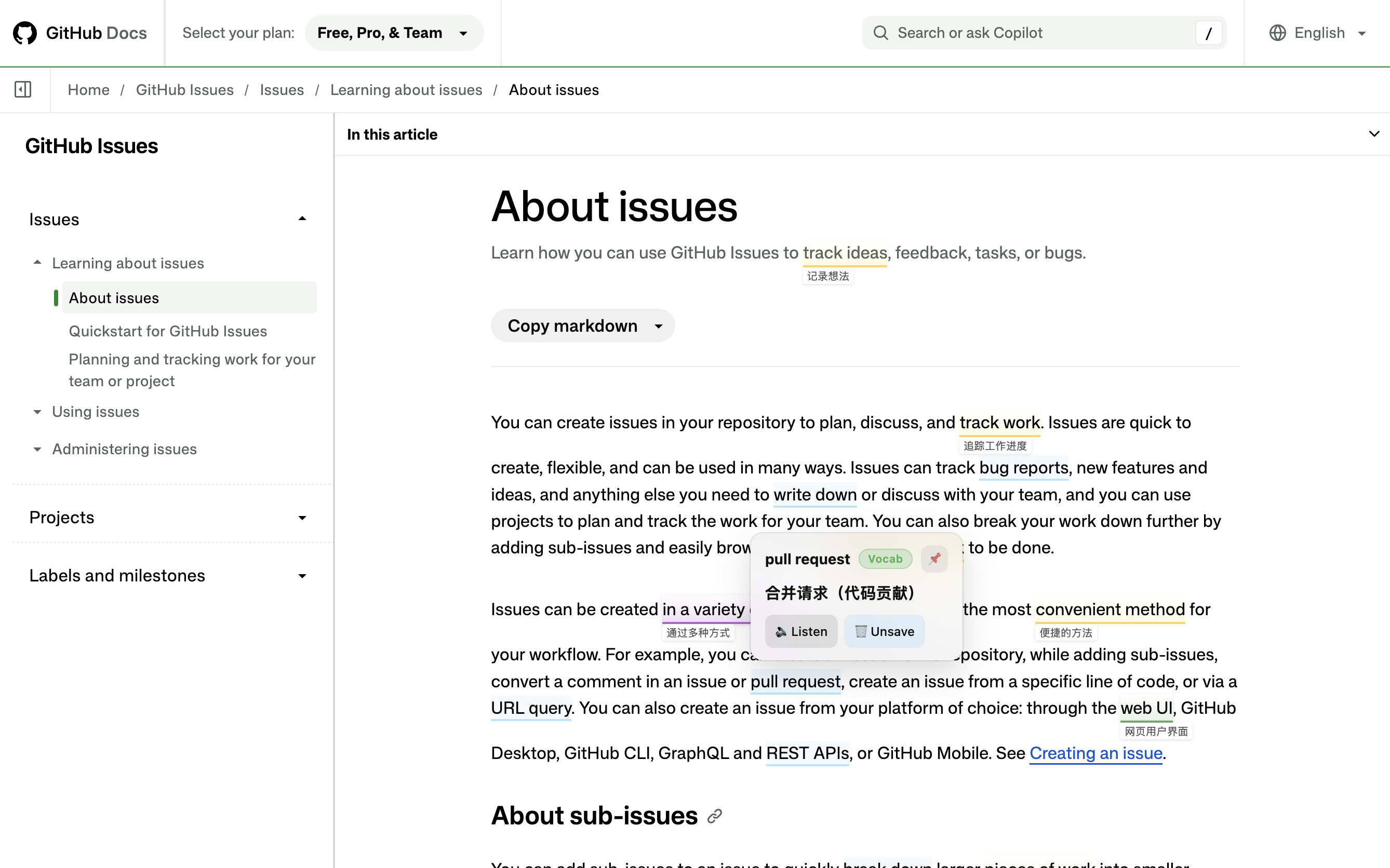
Save useful expressions while you read
After looking up on the same wavelength, you may run into another familiar-looking phrase on the next page. LeMingle finds and highlights expressions worth learning as you read, and helps you check the meaning in context. You can save useful ones; when they appear again on another page, they are flagged. Notice who is speaking and in what situation, so you keep more than a translation.
See a real screenshot of saving expressions