Read the room: meaning and how to use it at work
To read the room is to notice the mood, reactions, and situation in front of you, then adjust how you speak. It is not mind-reading, and it does not mean you have to guess what everyone is thinking.

A situation that makes the meaning clearer
In a meeting people are dealing with something difficult, and you had a joke ready. You see tired, serious faces, so you listen first instead of trying to lighten the mood. That is reading the room.
Examples in context
The dialogues and examples below were written for teaching.
Before making a joke, read the room.
Before you make a joke, notice the mood of the people in front of you.
She read the room and decided to keep her update brief.
She noticed the mood and kept her update short.
Form and tone to remember
Read looks the same in the present and the past, but the pronunciation changes. Room here is the overall situation, not the furniture.
Saying “Read the room!” can sound sharp, as if you are scolding someone for being tone-deaf. It is usually kinder to mention a specific observation in private than to accuse someone of failing to read the room. You are watching visible mood and reactions, not claiming to know what everyone privately thinks.
How can you reply?
You're right. This may be a better time to listen.
You agree, and you suggest this may be a better moment to listen.
Adjust what you say next. You do not need to embarrass yourself over one misjudgment.
Close expressions with different jobs
Read between the lines is about inferring something that was not said directly. Read the room is about the mood and reactions of the people present.
Save useful expressions while you read
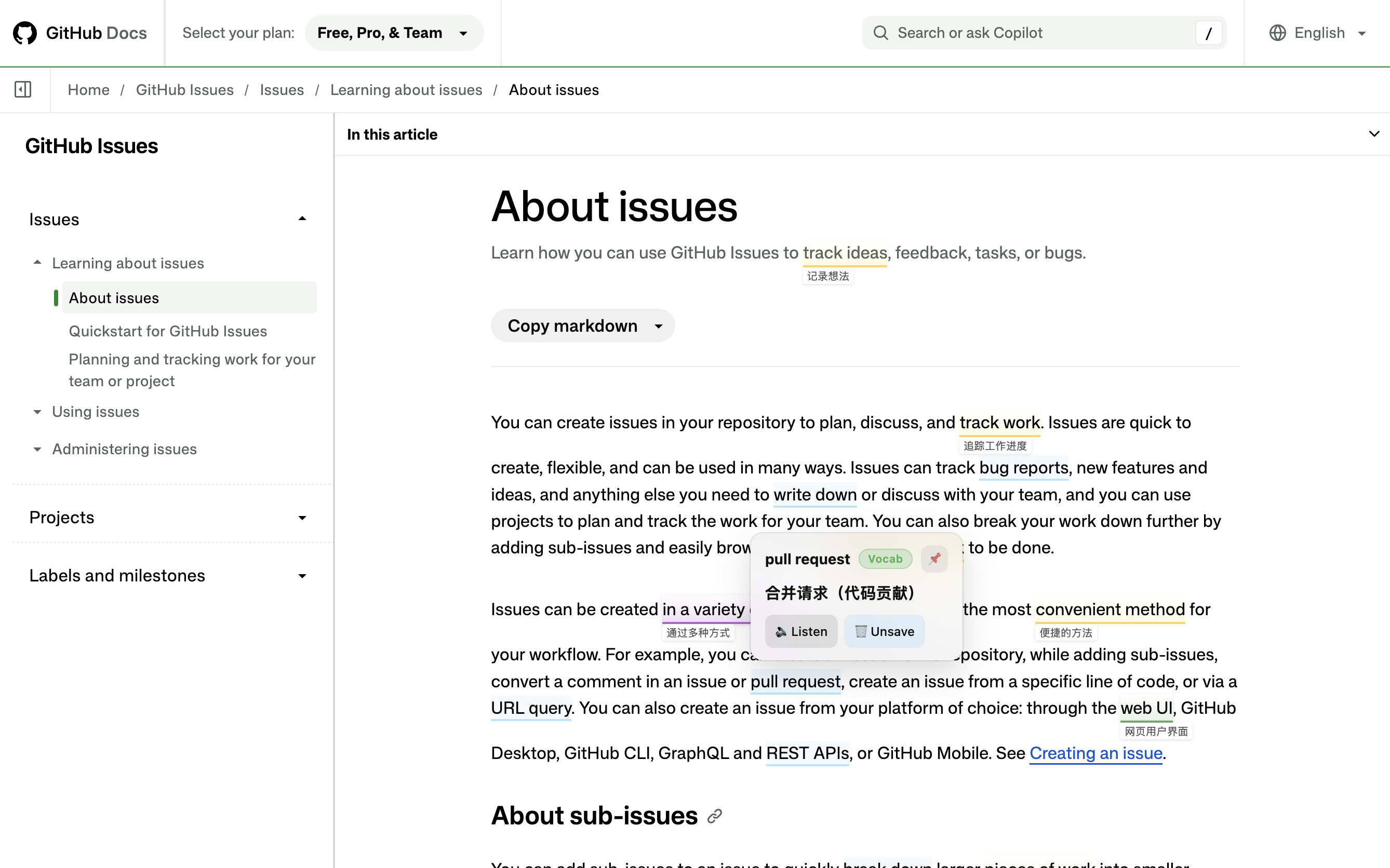
After looking up read the room, you may run into another familiar-looking phrase on the next page. LeMingle finds and highlights expressions worth learning as you read, and helps you check the meaning in context. You can save useful ones; when they appear again on another page, they are flagged. Notice who is speaking and in what situation, so you keep more than a translation.
See a real screenshot of saving expressions