Wear many hats: meaning when one person has several roles
To wear many hats is for the same person to hold several roles or duties — for example, doing research and also coordinating a project. The phrase describes a range of responsibilities. It is not automatically praise, and it does not necessarily mean the person is already overloaded.

A situation that makes the meaning clearer
After you join a small team, you find that besides design you are also answering customers and organizing files. The phrase can explain the range of the work, but it still helps to name each duty.
Examples in context
The dialogues and examples below were written for teaching.
In a small team, you often wear many hats.
In a small team, one person often has to hold several roles.
She wears two hats: researcher and project coordinator.
She holds two roles: researcher and project coordinator.
Form and tone to remember
With she, the verb is wears. Two hats can be followed by the two roles. No one has to be wearing a literal hat.
The tone is informal workplace English. If the line appears in a job posting, it is worth asking about boundaries and priorities. Do not read it only as “room to grow.”
How can you reply?
Which role should I focus on for this project?
For this project, which role should I treat as the priority?
Turn a comment about many roles into a discussion of priority.
Close expressions with different jobs
Stretched thin stresses that resources have been spread too far and are hard to manage. Wear many hats, by itself, only says that the duties are several.
Save useful expressions while you read
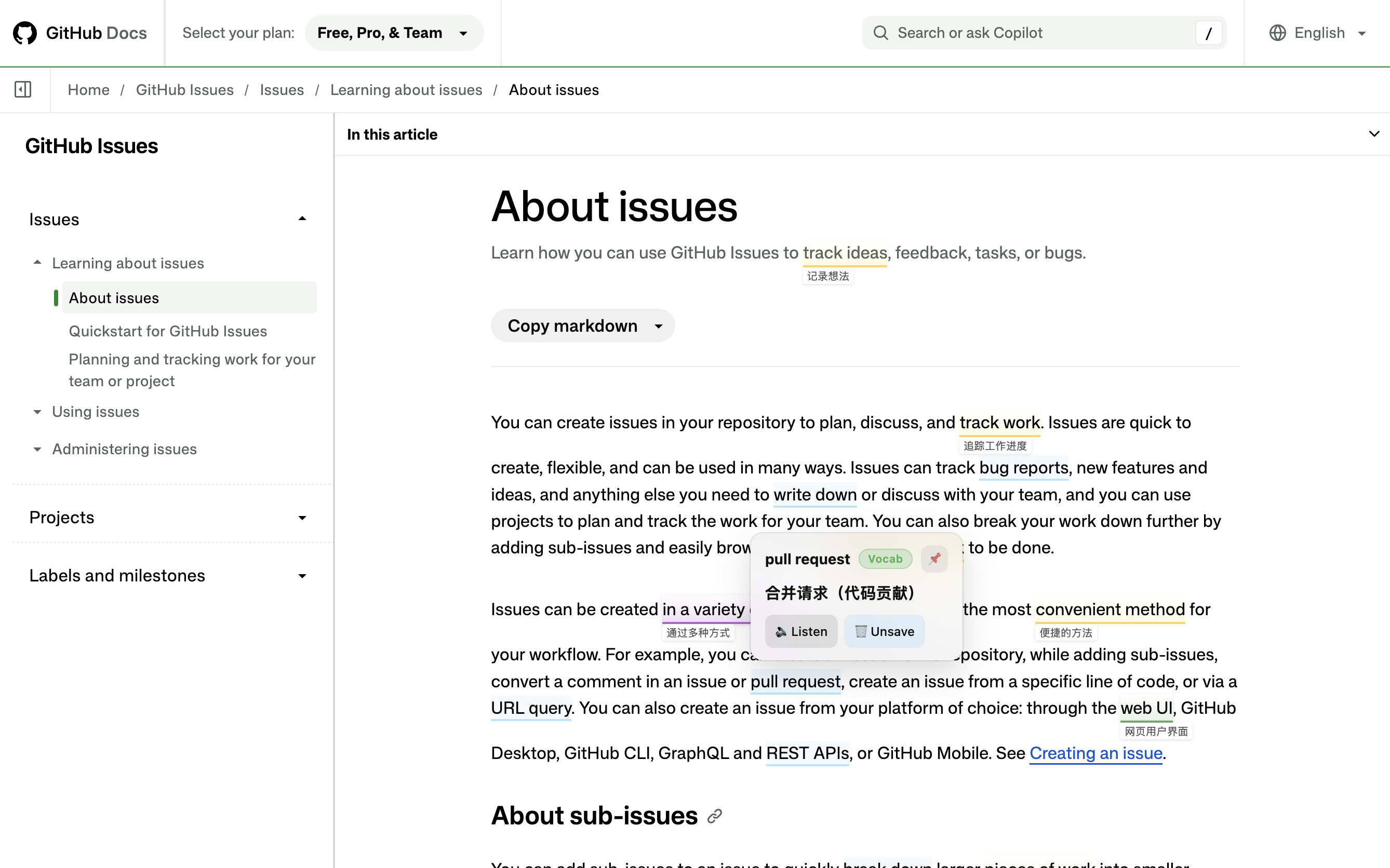
After looking up wear many hats, you may run into another familiar-looking phrase on the next page. LeMingle finds and highlights expressions worth learning as you read, and helps you check the meaning in context. You can save useful ones; when they appear again on another page, they are flagged. Notice who is speaking and in what situation, so you keep more than a translation.
See a real screenshot of saving expressions