Pick someone's brain: meaning and a polite request
To pick someone’s brain is to ask them for advice, drawing on their knowledge or experience. It is common in informal conversation. It does not mean finding fault, and it does not mean “brainwashing.” The library slug is pick-someones-brain.

A situation that makes the meaning clearer
At a careers event you meet a former student who now does research. Asking whether you may pick their brain, then saying you want to hear about the application process, is more considerate than launching into ten questions at once.
Examples in context
The dialogues and examples below were written for teaching.
Could I pick your brain about applying for a research role?
Could I ask you for some advice about applying for a research role?
She picked her mentor's brain before choosing a course.
She asked her mentor for advice before choosing a course.
Form and tone to remember
Your or her mentor’s names whose thinking you want. The plural brains also appears, especially in some British usage.
The tone is informal. If the questions are technical or will take time, ask first and give a clear scope. Do not treat the other person’s time as free consulting they owe you.
How can you reply?
Sure. What would you like to know? I have ten minutes now.
Sure. What would you like to know? I have ten minutes now.
Offer a time or a scope that works for you, or suggest another time.
Close expressions with different jobs
Run an idea by someone is taking a thought you already have and asking for a reaction. Picking someone’s brain can be a more open request for their experience.
Save useful expressions while you read
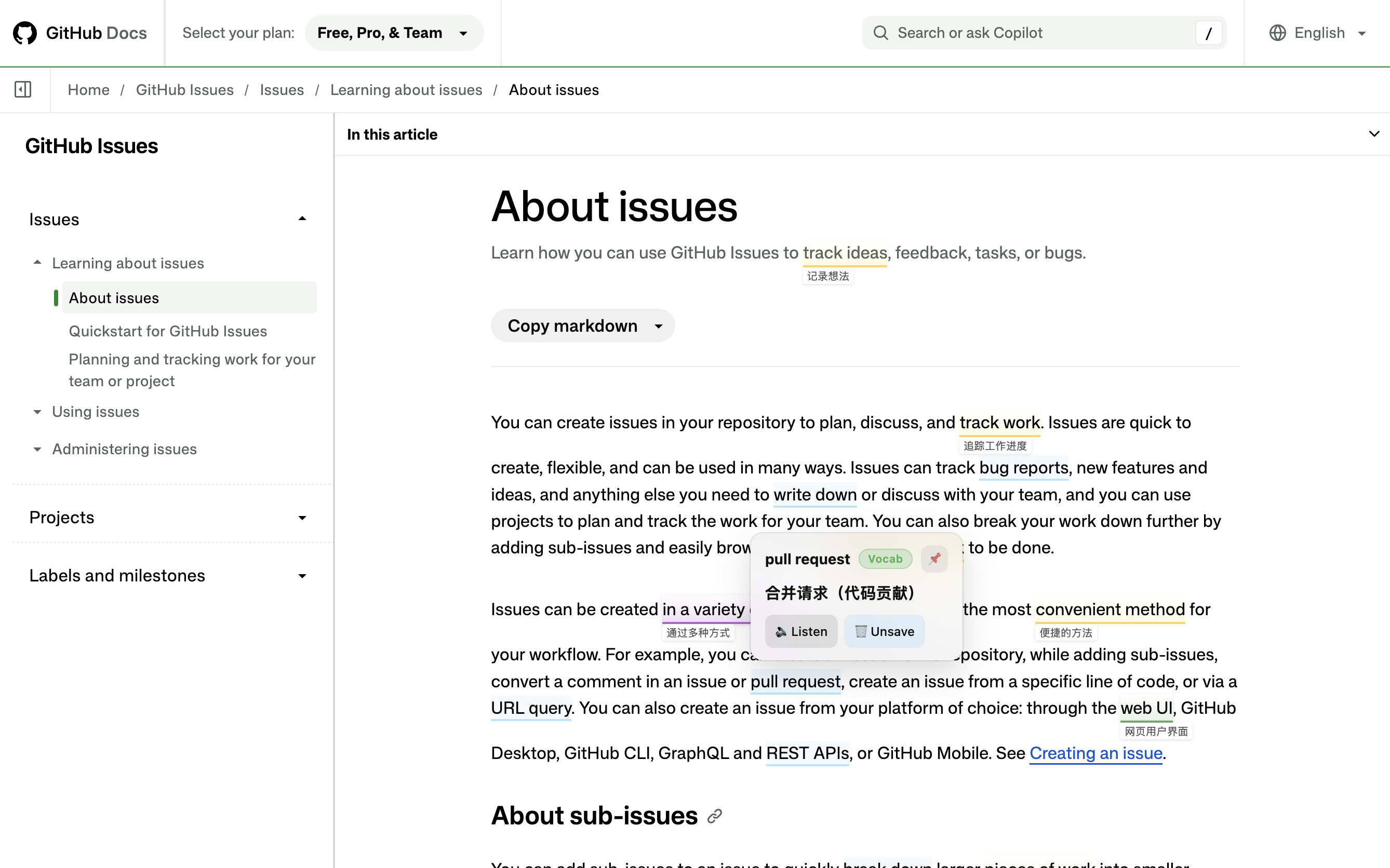
After looking up pick someone's brain, you may run into another familiar-looking phrase on the next page. LeMingle finds and highlights expressions worth learning as you read, and helps you check the meaning in context. You can save useful ones; when they appear again on another page, they are flagged. Notice who is speaking and in what situation, so you keep more than a translation.
See a real screenshot of saving expressions