Raise the bar: meaning and examples
To raise the bar is to raise the standard or the level of performance, so that later work has to meet a higher requirement. It can be praise for quality already shown, or it can be a request for a higher standard from now on.

A situation that makes the meaning clearer
A classmate produces a well-argued report, and a teacher says it has raised the bar for the whole class. The point is the quality of the work, not a demand that everyone simply do twice as much.
Examples in context
The dialogues and examples below were written for teaching.
This year's projects raised the bar for the whole class.
This year’s projects set a higher standard for the whole class.
We want to raise the bar on the quality of our feedback.
We want to hold our feedback to a higher standard of quality.
Form and tone to remember
Raise the bar for often names who is affected; on can name the aspect you want to improve. Raise is the verb that takes an object; do not swap it for rise here.
The tone can be admiring or expectant, and it appears in study and work settings. A “higher standard” should have a visible shape. A requirement with no example is easy to hear only as pressure.
How can you reply?
What would better feedback look like in practice?
What would better feedback look like in practice?
Ask for a standard or an example, rather than accepting an abstract expectation on its own.
Close expressions with different jobs
Set the bar is setting a standard. Raise the bar is lifting a standard that is already there.
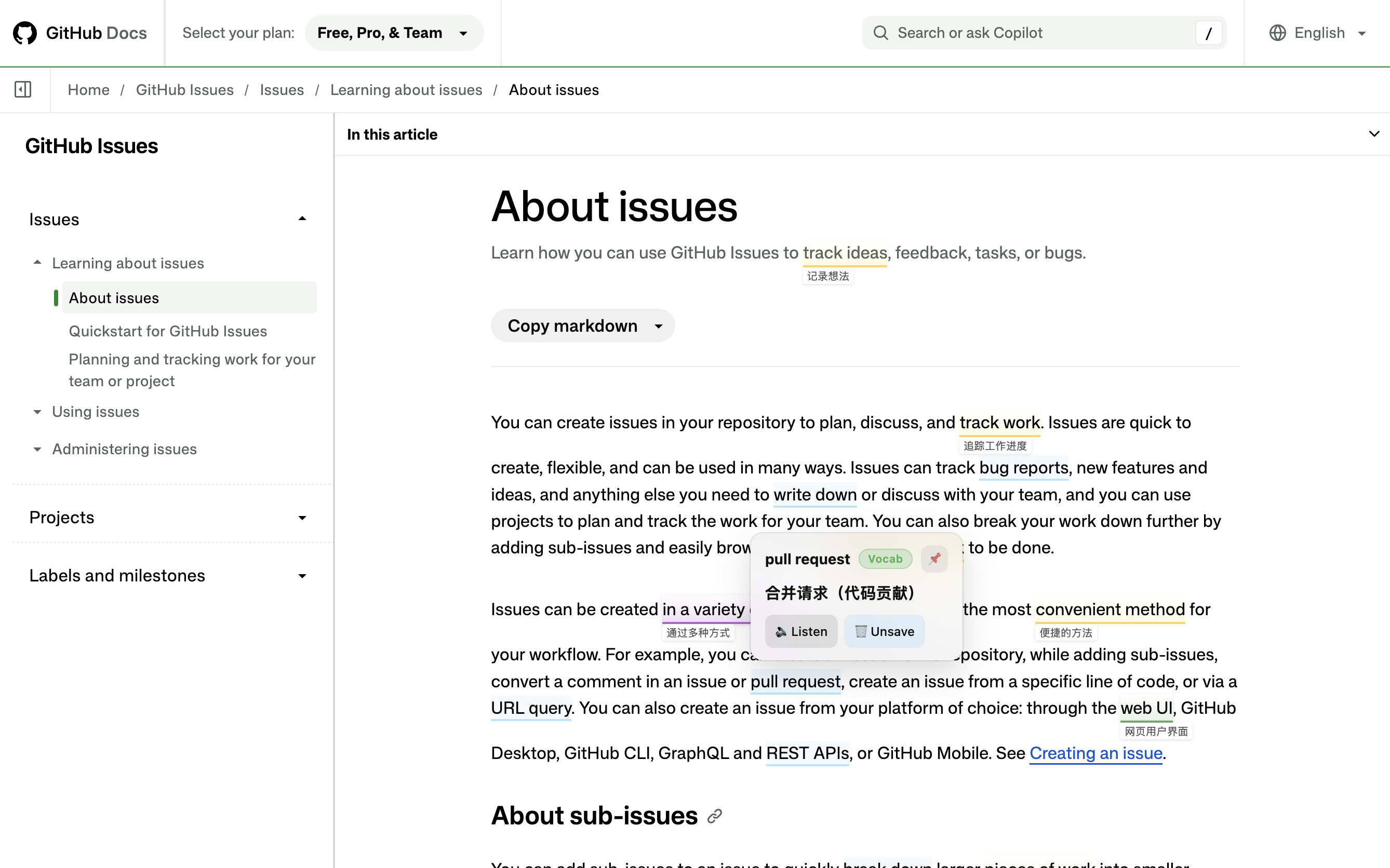
Save useful expressions while you read
After looking up raise the bar, you may run into another familiar-looking phrase on the next page. LeMingle finds and highlights expressions worth learning as you read, and helps you check the meaning in context. You can save useful ones; when they appear again on another page, they are flagged. Notice who is speaking and in what situation, so you keep more than a translation.
See a real screenshot of saving expressions