Take it with a grain of salt: meaning and examples
To take something with a grain of salt is to keep a little skepticism and not accept the information in full. It does not claim that the information is definitely false. It is a reminder that reliability may be limited, and that a check is still worthwhile.

A situation that makes the meaning clearer
You see an anonymous review, or a prediction with no evidence. You can note it, then look for a source, instead of forwarding it or deciding on that basis alone.
Examples in context
The dialogues and examples below were written for teaching.
The review is anonymous, so take it with a grain of salt.
The review is anonymous, so treat it cautiously and do not accept it in full.
I take those predictions with a grain of salt until I see the evidence.
I stay a little skeptical about those predictions until I see the evidence.
Form and tone to remember
It can be replaced by the specific information. British English often uses a pinch of salt; American English often uses a grain of salt. Both appear.
Skepticism is not the same as dismissing something out of hand. Ask about evidence and sources; do not call something untrustworthy only because you dislike the conclusion. The phrase does not mean “this is a lie.” It means “don’t take this as fully settled.”
How can you reply?
Good point. Let's check another source before deciding.
You agree it is a fair caution and suggest checking another source before deciding.
Meet the caution with a checking step.
Close expressions with different jobs
Read between the lines is about inferring an implication. Take it with a grain of salt is about how much trust to place in the information.
Save useful expressions while you read
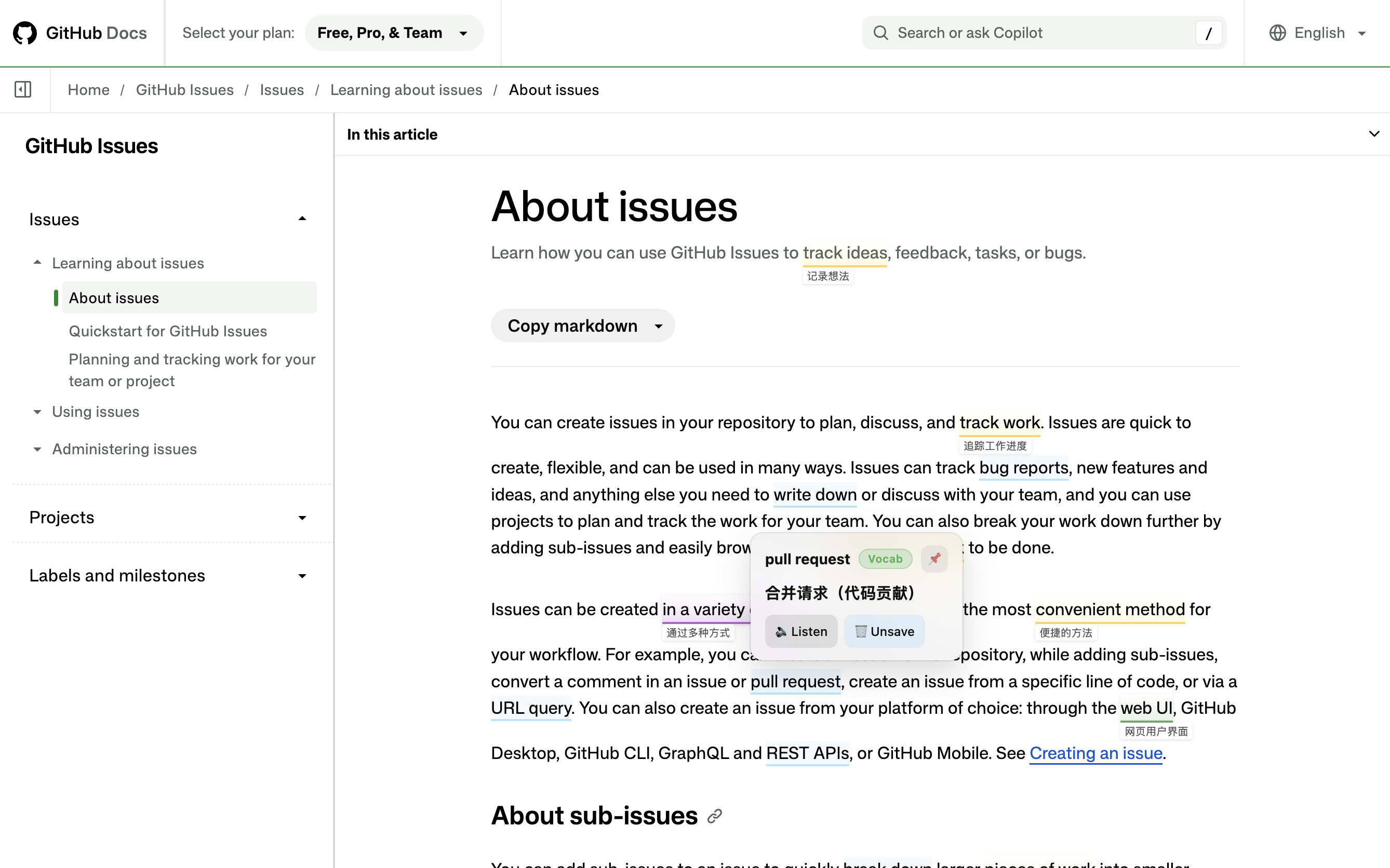
After looking up take it with a grain of salt, you may run into another familiar-looking phrase on the next page. LeMingle finds and highlights expressions worth learning as you read, and helps you check the meaning in context. You can save useful ones; when they appear again on another page, they are flagged. Notice who is speaking and in what situation, so you keep more than a translation.
See a real screenshot of saving expressions