At the eleventh hour: meaning and examples
At the eleventh hour means at the last moment, when there is almost no time left. It is not a fixed time of 11 p.m., and it does not, by itself, mean the deadline has already been missed. The phrase highlights how late the change or solution arrives.

A situation that makes the meaning clearer
Presentation materials are nearly due when a client suddenly changes the brief. The expression underlines that the change came very late and left little time. It can also describe finding a solution at the last possible moment.
Examples in context
The dialogues and examples below were written for teaching.
The client changed the brief at the eleventh hour.
The client altered the brief when almost no time was left.
We found a replacement speaker at the eleventh hour.
We found a substitute speaker at the last possible moment.
Form and tone to remember
The usual adverbial form is at the eleventh hour. Before a noun you may see an eleventh-hour change — note the hyphen, and that a becomes an.
The tone carries urgency. It is a poor fit for an ordinary adjustment made well in advance. Even close to a deadline, the phrase does not automatically mean the work has failed.
How can you reply?
We still have a little time. What absolutely needs to change?
There is still a little time left. Which changes are essential?
First agree what must be handled, then plan the limited time around that.
Close expressions with different jobs
At the last minute also means very late, in a more everyday tone. At the eleventh hour often makes the tightness of the moment feel sharper.
Save useful expressions while you read
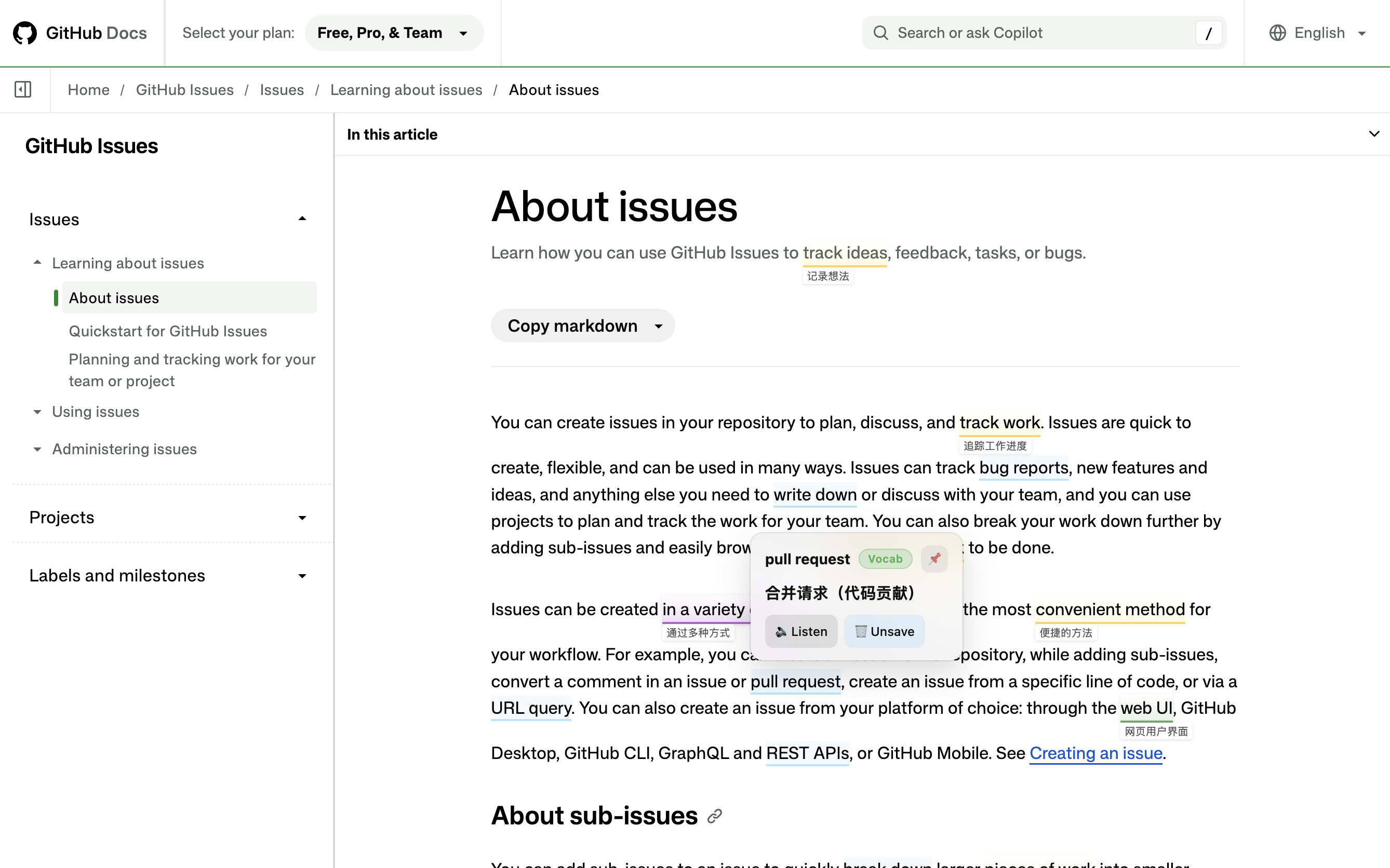
After looking up at the eleventh hour, you may run into another familiar-looking phrase on the next page. LeMingle finds and highlights expressions worth learning as you read, and helps you check the meaning in context. You can save useful ones; when they appear again on another page, they are flagged. Notice who is speaking and in what situation, so you keep more than a translation.
See a real screenshot of saving expressions